
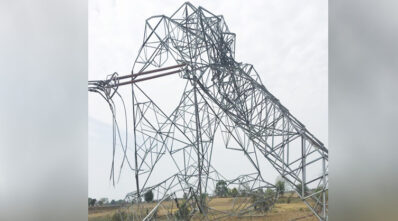
In recent years, Nigeria’s power sector has faced numerous challenges, with the sabotage of high-tension electric transmission lines emerging as a significant and alarming issue. These intentional acts of destruction are affecting the already fragile electricity infrastructure, causing widespread blackouts, economic strain, and security concerns. Understanding the causes, implications, and potential solutions to this problem is essential for stabilizing Nigeria’s energy sector and fostering a conducive environment for development.
Background on Nigeria’s Power Infrastructure
Nigeria’s power infrastructure has long been a point of contention, with the country grappling with inadequate power generation, transmission, and distribution capabilities. Despite being Africa’s most populous country and one of its largest economies, Nigeria has struggled to provide reliable electricity to its citizens. In recent years, the government has invested heavily in power projects to boost generation capacity and improve transmission lines. However, these improvements have been severely undermined by widespread sabotage, which has become a growing and organized threat.
Causes of Sabotage of High-Tension Transmission Lines
1. Economic Hardship and Unemployment: Nigeria’s high unemployment rate and persistent economic difficulties have fueled desperation in communities near these power lines. Some individuals resort to sabotage as a means of protest or as an outlet for frustration against perceived neglect or inequality.
2. Vandalism for Scrap Metal: Sabotaging transmission lines is often financially motivated. The demand for scrap metal has incentivized individuals to dismantle electric towers and transmission lines, stripping them of valuable metals to sell illegally. This form of vandalism, though destructive, is common in areas where economic opportunities are limited.
3. Militancy and Insurgency: Certain militant groups in Nigeria, especially in the northern region, use sabotage as a weapon against the government or corporations. The vandalism of power lines is a strategic way to disrupt economic activity and gain leverage in negotiations.
4. Political Factors, corruption and Sabotage : In some cases, sabotage has been linked to politically motivated actions, where political actors seeking to undermine rivals resort to damaging infrastructure. Additionally, organized groups within the power sector have sabotaged lines with the aim of demanding money for repairs to restore services.
Implications of Transmission Line Sabotage
1. Economic Disruption: Power outages disrupt businesses across Nigeria, affecting productivity, increasing costs, and eroding competitiveness. Manufacturing and other energy-intensive industries are particularly hard-hit, reducing Nigeria’s GDP growth potential and diminishing investment appeal.
2. Impact on Citizens and Quality of Life: Unreliable power supply worsens the quality of life for millions of Nigerians, limiting access to essential services like healthcare and education. Households reliant on electricity for daily activities are forced to use costly and polluting alternatives, increasing living expenses and environmental impact.
3. Increased Costs of Repairs and Maintenance: Frequent sabotage necessitates constant repairs, which strain the limited financial resources of power companies and government agencies. The cost of rebuilding and reinforcing vandalized structures drains funds that could otherwise be invested in expanding or upgrading the grid.
4. National Security Concerns: The sabotage of critical infrastructure like transmission lines poses serious security risks. If militant groups or insurgents intensify these acts, the entire country’s stability can be threatened, as power outages could lead to riots, social unrest, and heightened regional conflicts.
5. Environmental Impact: The disruptions lead to increased reliance on fossil-fuel generators, which are not only expensive but also contribute to air pollution and carbon emissions. This reliance undermines efforts to transition towards cleaner, more sustainable energy sources.
Possible Solutions
1. Enhanced Security and Surveillance: The government and utility companies should invest in modern surveillance technologies, such as drones and remote sensors, to monitor transmission lines in real time. Increased security presence and surveillance can act as a deterrent, while prompt response teams can prevent potential sabotage before significant damage occurs.
2. Community Engagement and Economic Empowerment: Involving local communities in the protection of power infrastructure can reduce the likelihood of sabotage. Programs that create jobs and improve livelihoods for people living near power lines may decrease incentives to resort to vandalism. Building a sense of shared responsibility can also promote local awareness about the importance of power infrastructure.
3. Stricter Laws and Penalties: Enacting stricter penalties and enforcing anti-sabotage laws can help deter those contemplating vandalism. The legal framework should clearly outline heavy fines, long-term imprisonment, and community service requirements for individuals found guilty of sabotaging power infrastructure.
4. Investment in Robust and Vandal-Resistant Infrastructure: Transitioning to infrastructure that is less susceptible to sabotage can reduce the frequency of disruptions. For instance, using materials that are difficult to dismantle or identifying vulnerable areas and reinforcing them can reduce the economic motivation behind such acts.
5. Strengthening Regional Cooperation: Addressing sabotage requires cooperation among federal, state, and local governments, as well as partnerships with private-sector stakeholders and international bodies. Sharing information on best practices, security technologies, and community empowerment initiatives can improve overall grid security.
6. Public Awareness Campaigns: Educating citizens about the economic and social impact of sabotaging infrastructure can create public support for protecting these assets. Engaging with influential figures and using media campaigns to communicate the cost of vandalism can help foster a culture of respect for national assets.
7. Technical Upgrades and Decentralized Solutions: Investing in decentralized power systems, such as microgrids and mini-grids, can reduce the dependency on high-tension transmission lines. This approach can offer local power solutions that are less vulnerable to large-scale sabotage and provide more consistent electricity.
Conclusion
The sabotage of high-tension electric transmission lines in Nigeria represents a critical challenge with far-reaching implications. The economic, social, and environmental impacts underscore the urgency of addressing this issue to secure Nigeria’s future. By implementing a multi-pronged approach that combines security, economic empowerment, public education, and strategic investment, Nigeria can not only protect its power infrastructure but also strengthen the resilience and reliability of its entire electricity sector.
Discover more from IkonAllah's chronicles
Subscribe to get the latest posts sent to your email.
