

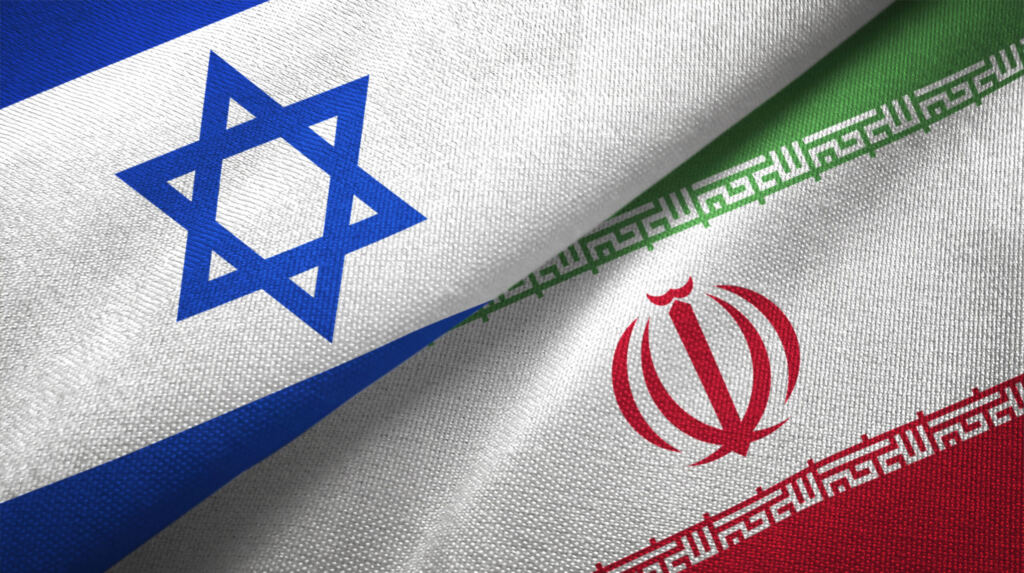
In the early hours of a tense morning, news broke that Israel had launched a sudden military strike on Iran. The world was shaken. Global markets responded. Diplomats scrambled. While the Middle East simmered, Nigerians thousands of kilometers away were left asking: What does this have to do with us?
The answer: Everything.
As a nation grappling with internal instability, Nigeria cannot afford to underestimate the ripple effects of global events. The Israel-Iran confrontation is a wake-up call, not just for nations in proximity to the conflict, but for all countries that value their security, sovereignty, and stability. Nigeria must be in a constant state of readiness.
Global Conflicts Have Local Consequences
What happens in Tehran or Tel Aviv does not stay there. A single conflict in the Middle East can cause:
- Oil price shocks that affect Nigeria’s economy.
- Heightened terrorist activity, as extremist groups leverage global chaos for local advantage.
- Diaspora tension, which can spill into religious or ethnic unrest within Nigeria.
The nature of global conflict has evolved. War is no longer confined to battlegrounds—it reverberates through cyberspace, trade networks, and media narratives. In a connected world, Nigeria cannot afford isolationist thinking.
Our Internal Security Challenges Compound the Risks
While we monitor foreign threats, Nigeria is already battling serious internal vulnerabilities:
- Insurgency and terrorism in the Northeast.
- Banditry and communal violence across the Northwest and Northcentral.
- Militancy and piracy in the Niger Delta.
- Secessionist agitations and civil unrest in the Southeast.
- Porous borders, which invite illicit arms flow, drug trafficking, and cross-border criminal activities.
All these issues make Nigeria more susceptible to the domino effect of global instability. A surprise attack anywhere can embolden local armed groups, trigger copycat violence, or stretch our already thin security forces.
Why Constant Readiness Must Be Our New Normal
- Rapid Threat Evolution: From drones to cyberattacks, threats emerge with little to no warning. We must be capable of swift detection and response.
- Crisis Management and Public Confidence: In moments of uncertainty, a prepared government can manage public fears and prevent panic.
- Protection of Critical Infrastructure: Our oil pipelines, power stations, communication networks, and national databases must be secured against sabotage.
- Geopolitical Signaling: A nation prepared for conflict is less likely to be targeted. Readiness acts as a deterrent.
What Should Readiness Look Like?
Nigeria’s preparedness must go beyond military drills. It must be holistic, covering every aspect of national resilience:
- Modern Intelligence Infrastructure: Upgrade surveillance, data analytics, and real-time threat assessment tools.
- Inter-agency Coordination: DSS, military, police, immigration, and emergency agencies must collaborate seamlessly.
- Public Awareness: Citizens must know how to respond to emergencies. Civil defence, not just military strength, is key to national survival.
- Cybersecurity Defense: Protect digital systems from hacking, disinformation campaigns, and data leaks.
- Diplomatic Agility: Nigeria must engage proactively with international partners to de-escalate tensions and anticipate future flashpoints.
Policy Actions Needed Now
To translate urgency into action, the government must:
- Establish a National Security Readiness Fund for emergencies.
- Conduct regular simulation exercises for war, cyberattack, or humanitarian crisis scenarios.
- Integrate national disaster response plans with military preparedness.
- Deepen ties with ECOWAS and AU for regional stability initiatives.
Conclusion: Proactive, Not Reactive
Nigeria cannot afford to be caught off guard—not by internal uprisings, nor by the aftershocks of distant wars. The Israel-Iran conflict reminds us that peace is fragile and global affairs are unpredictable. A secure Nigeria must be one that is always alert, always ready, and always proactive.
Insecurity is no longer just a threat—it’s a reality. Constant readiness is not a luxury. It is a national necessity.
Author: Abdul Kezo
Published on: IkonAllah.com
Date: June 16, 2025
Discover more from IkonAllah's chronicles
Subscribe to get the latest posts sent to your email.
