
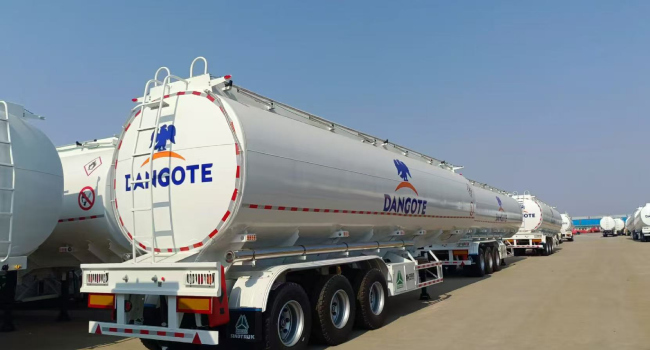
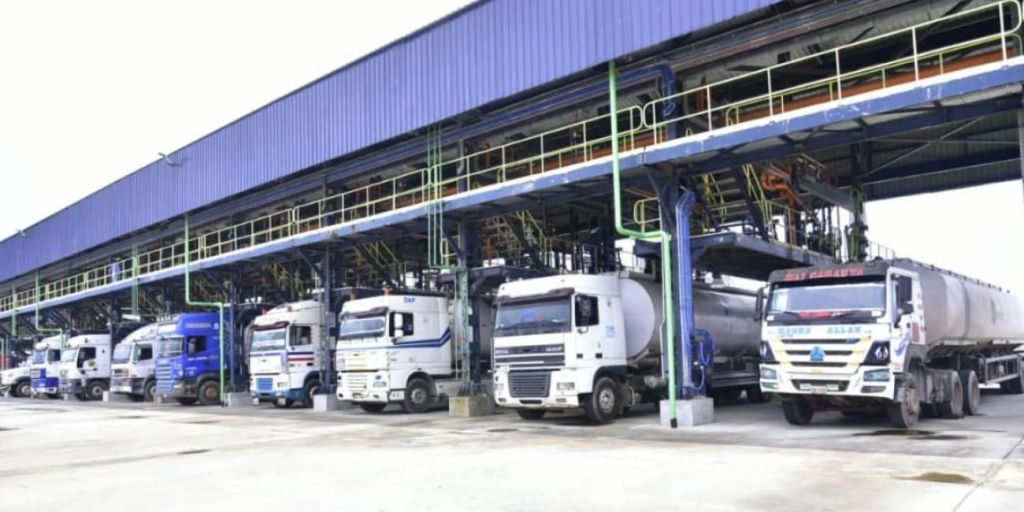
Aliko Dangote’s refinery has added a new twist to Nigeria’s downstream sector. Beyond refining, he has chosen to deliver petrol (PMS) directly to filling stations and buyers using a fleet of 4,000 trucks. By bypassing depots, Dangote promises efficiency and transparency in a sector long marked by scarcity, inflated prices, and middleman bottlenecks.
For consumers, this is an encouraging shift. Direct fuel delivery means fewer layers of distribution, less room for hoarding, and potentially fairer pump prices. In a country with a history of queues at filling stations as a result of inefficiencies in the petroleum sector, the prospect of steady supply from refinery to pump is no small relief.
The employment impact is equally striking. Operating 4,000 trucks requires drivers, mechanics, logistics personnel, and safety officers. In an economy hungry for jobs, this direct distribution system offers thousands of new opportunities. It is a model that may reduce inefficiency while creating work in logistics and transportation.
Yet, the disruption is not without consequences. Depot owners, independent marketers, and transport unions have built livelihoods around the traditional distribution chain. With depots bypassed, their role in petrol supply shrinks drastically. It is no surprise that unions such as NUPENG and IPMAN are uneasy, warning of job losses and reduced bargaining power for workers.
There is also the question of infrastructure. Nigeria’s highways already bear the burden of heavy traffic and poor maintenance. Adding thousands of fuel trucks to the mix could accelerate road wear, worsen congestion on major corridors, and raise the risk of tanker-related accidents. The cost of repairing this damage will ultimately fall on taxpayers.
This is why government cannot be a passive observer. While consumers deserve the benefits of cheaper, more reliable petrol, regulators must ensure fair competition, prevent over-concentration of market power, and address the infrastructure costs of a truck-heavy supply chain. Investment in rail lines, pipelines, and regional storage facilities would ease pressure on roads while complementing Dangote’s efficiency drive.
Dangote’s direct fuel delivery is bold and disruptive, offering genuine relief to consumers and much-needed jobs. But it also raises tough questions about sustainability, equity, and national infrastructure. If carefully managed, it could mark a turning point in Nigeria’s fuel story. If not, the promise of efficiency today could come at the cost of heavier burdens tomorrow.
The challenge now is to strike the balance—between consumer relief and worker inclusion, between efficiency and competition, and between short-term fixes and long-term infrastructure health.
Abdul is a public Affairs analyst and Media Relations Specialist
Discover more from IkonAllah's chronicles
Subscribe to get the latest posts sent to your email.
