
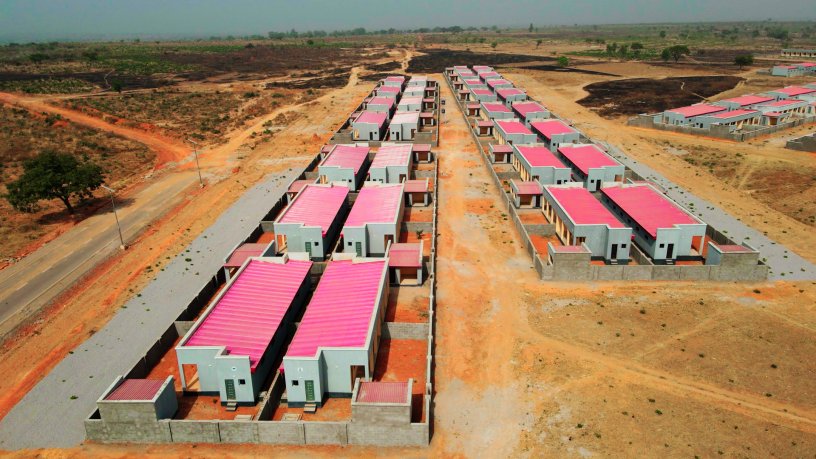
In the lexicon of humanitarian response, emergencies often dominate headlines, while reconstruction and long-term recovery are relegated to footnotes. Yet, history teaches that the true measure of leadership in crisis is not merely how swiftly relief arrives, but how deliberately dignity is restored. The rehabilitation and reconstruction of Tudun Biri community in Kaduna State stands as a defining moment in Nigeria’s humanitarian governance—and arguably, a model for Africa.
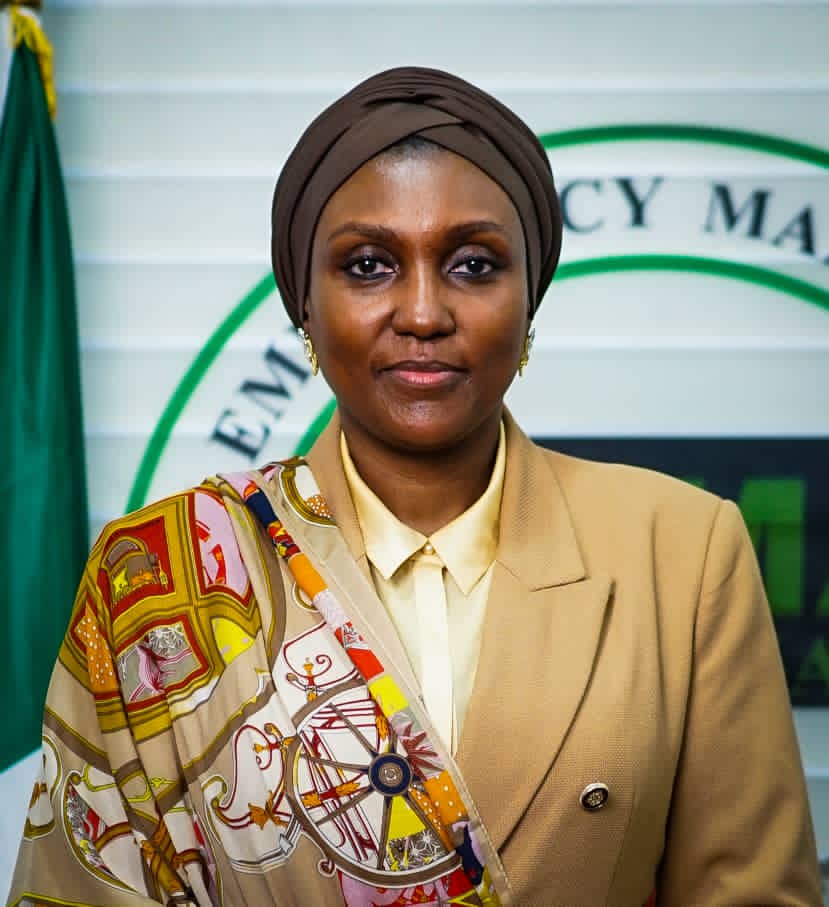
Following the tragic drone incident that devastated Tudun Biri, the Federal Government, through the National Emergency Management Agency (NEMA), undertook what can best be described as a comprehensive humanitarian reconstruction intervention. Under the leadership of Director-General of NEMA, Mrs. Zubaida Umar, and with strategic oversight from the Office of the Vice President, Senator Kashim Shettima, the Tudun Biri rehabilitation project redefined the scope and ambition of post-disaster recovery in Nigeria.
Traditionally, Nigeria’s disaster response architecture has focused on immediate relief—distribution of food, shelter materials, and medical support. While essential, such interventions rarely address the deeper socio-economic and psychological scars left behind by disasters.
Tudun Biri represents a paradigm shift. The project moved beyond tents and handouts to permanent housing, community infrastructure, social services, and livelihood restoration. Roads, housing units, community facilities, and essential amenities were rebuilt in a coordinated, government-led framework. This integrated approach mirrors global best practices in post-conflict and post-disaster recovery, yet it is rare within Africa’s humanitarian landscape.
At the heart of this achievement lies political will. Vice President Kashim Shettima’s direct oversight of the Resettlement Scheme for Persons Impacted by Conflicts (RSPIC) ensured high-level coordination across federal agencies, state authorities, and development partners. His office provided the political backing necessary to fast-track funding, procurement, and inter-agency collaboration—an often-elusive element in public sector recovery projects.
Equally pivotal was the leadership of NEMA DG Zubaida Umar, whose tenure has been marked by a shift toward institutional reform, transparency, and proactive disaster risk management. Under her stewardship, NEMA has evolved from a reactive relief agency to a strategic humanitarian institution with a vision for resilience and recovery.
Across Africa, post-disaster communities often languish in prolonged displacement, with reconstruction delayed by bureaucratic inertia, funding gaps, and fragmented coordination. Tudun Biri offers a different narrative: a state-led, coordinated, and comprehensive rehabilitation model executed within a defined framework and political mandate.
The implications are profound. The project demonstrates that African states can design and deliver structured humanitarian reconstruction without outsourcing sovereignty to external actors. It also provides a template for integrating humanitarian response with national development planning—bridging the long-standing gap between relief and recovery.
Beyond bricks and mortar, the Tudun Biri project carries symbolic weight. For a community traumatised by tragedy, the reconstruction effort sends a powerful message: the state acknowledges its responsibility, values its citizens, and is committed to restoring trust. In a region grappling with insecurity and state-society distrust, such gestures are not merely developmental—they are political and moral imperatives.
The rehabilitation and reconstruction of Tudun Biri is more than a project; it is a doctrine—a statement that humanitarian governance in Nigeria can be proactive, accountable, and transformative. It sets a benchmark for future disaster recovery efforts and positions Nigeria as a reference point for African humanitarian policy innovation.
If sustained, institutionalised, and replicated, the Tudun Biri model could redefine how Africa rebuilds after tragedy—not as an afterthought, but as a national priority rooted in dignity, resilience, and state responsibility.
Abdulkadir Ibrahim
NEMA press Unit Abuja operations office
06.02.2026
Discover more from IkonAllah's chronicles
Subscribe to get the latest posts sent to your email.
