
Lagos-Calabar Coastal Highway: When Poor Planning Catches Up With Ambition
By Abdulkezo Ikonallah

Nigeria’s problem has never been a lack of ambitious projects, but the failure to plan and execute them properly. The Lagos-Calabar Coastal Highway is fast becoming another example.
When the 700-kilometre project was announced, many Nigerians welcomed its potential to improve transportation, commerce and coastal development. However, concerns were raised about its planning, contract award, environmental impact and cost. Unfortunately, recent developments have given those warnings renewed relevance.
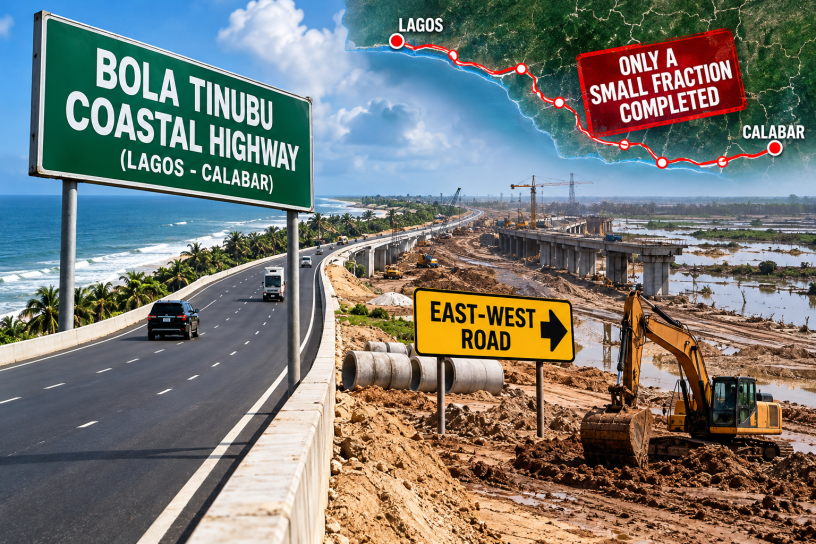
The Federal Government’s decision to alter sections of the original alignment and integrate parts of the highway with the existing East-West Road raises serious questions about the quality of preliminary planning.
Were adequate feasibility studies, environmental assessments and engineering investigations conducted before contracts were awarded and construction commenced? If so, why have such significant changes become necessary?
Route adjustments are sometimes unavoidable in major engineering projects. However, they should be supported by transparent technical and economic justifications, particularly where billions of naira in public resources are involved.
The consequences extend beyond construction costs. Coastal communities originally expecting improved connectivity and economic opportunities may now be bypassed. The proposed realignment could fundamentally change the development benefits used to justify the project.
Equally troubling is the pace of execution. According to the Federal Ministry of Works’ October 2026 update, approximately 47 kilometres had been completed out of the proposed 700 kilometres, while construction continued on other sections. That represents just 6.7 per cent of the total proposed distance confirmed completed, more than two years after construction began.
Although difficult terrain and major engineering works require time, Nigerians deserve a realistic completion timetable and clear accountability for public expenditure.
Questions surrounding the original procurement process also remain important. The government must demonstrate that contract awards, subsequent variations and financial commitments comply with applicable laws and deliver value for money. Allegations of irregularities should be independently examined rather than treated as established facts or dismissed without scrutiny.
The decision to rename the project after President Bola Ahmed Tinubu, while much of the highway remains unfinished, also raises questions about priorities. National infrastructure should be measured by its economic benefits, durability and successful completion, not political symbolism.
What Nigeria needs now is transparency, not another ceremony.
The Federal Government should publish the revised route, updated project costs, environmental assessments, contract variations and realistic completion schedules. The National Assembly must also exercise effective oversight.
Nobody disputes the importance of improving Nigeria’s road infrastructure. But development must be guided by proper planning, transparency and accountability.
Those who questioned the project from the beginning were not necessarily opposing progress. They were demanding that public resources be managed responsibly.
The Lagos-Calabar Coastal Highway can still become a valuable national asset. However, changing its alignment midway through execution makes it even more important for the government to explain what went wrong, what has changed and what Nigerians will ultimately receive.
Nigeria cannot continue to announce grand projects, revise them during execution and celebrate political achievements before delivering tangible results.
The real legacy of this highway will not be the name it carries, but whether it is properly planned, transparently executed and completed for the benefit of Nigerians.
Discover more from IkonAllah's chronicles
Subscribe to get the latest posts sent to your email.
