
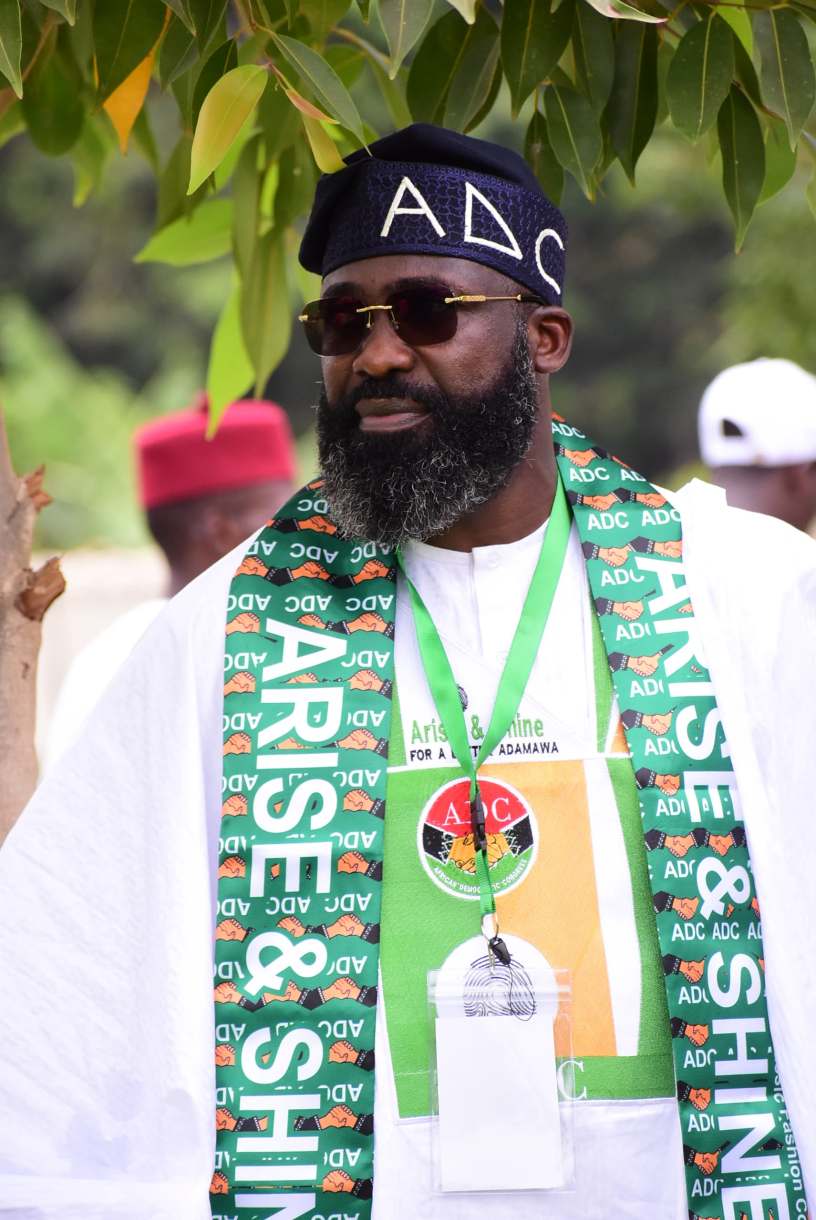
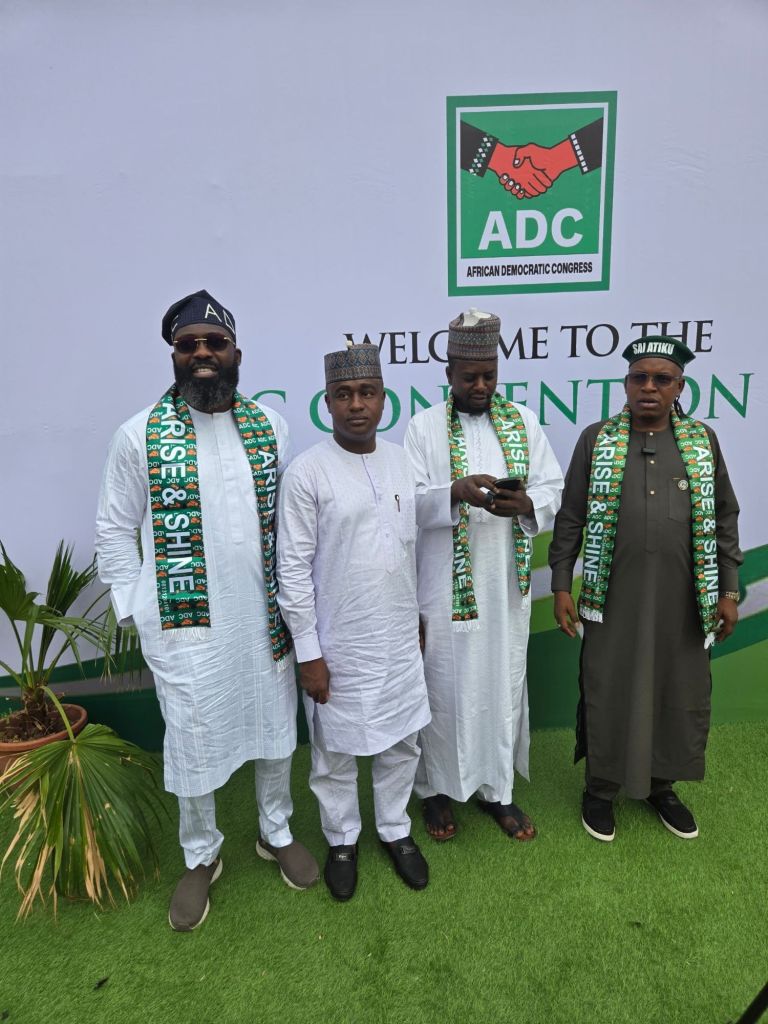
In an era when public trust in political leadership is increasingly measured not by rhetoric but by demonstrable impact, the emergence of Zayyad Ayuba, Sardaunan Karewa, as an aspirant for the House of Representatives deserves serious attention.
As the 2027 political landscape begins to take shape, the contest for the Yola North/Yola South/Girei Federal Constituency is likely to be defined by one central question: who best understands the everyday realities of the people and possesses the capacity to translate that understanding into meaningful representation? For many observers, Zayyad Ayuba appears to be positioning himself as an answer to that question.
What distinguishes his political aspiration is the foundation upon which it rests. Rather than arriving on the scene as a conventional politician driven solely by electoral ambition, he has cultivated a reputation as a grassroots mobilizer whose influence has been built through philanthropy, community engagement, and respect for traditional institutions.
His interventions in education, healthcare, and humanitarian relief reflect a politics anchored in direct human impact. Across Yola North, Yola South, and Girei, numerous families have reportedly benefited from educational sponsorships, examination fee support, and access to learning materials. At a time when economic hardship continues to threaten school retention among children from low-income households, such efforts speak directly to the urgent needs of the constituency.
Equally significant are his contributions to healthcare support and social welfare. From assistance for patients in need of surgery to support for maternal care and annual relief packages for widows, orphans, and the elderly, these interventions have helped reinforce his image as a leader with a practical understanding of social vulnerability.
Yet perhaps the most compelling dimension of his public profile lies in his relationship with traditional institutions.
As Sardaunan Karewa, Zayyad Ayuba occupies a space that uniquely blends culture with governance. In Northern Nigeria, where traditional leadership remains an important pillar of community cohesion, security dialogue, and conflict resolution, his advocacy for stronger collaboration between government and the emirate council system resonates deeply.
This is not merely symbolic politics. Development efforts often succeed when they are rooted in trusted local structures. By emphasizing consultation with elders, support for cultural heritage, and the integration of traditional leaders into civic initiatives, he is advancing a model of governance that recognizes the enduring relevance of indigenous institutions in modern statecraft.
Perhaps nowhere is his vision more consequential than in the area of youth development.
Adamawa, like much of Nigeria, faces a pressing challenge of youth unemployment and economic dislocation. Here, Ayuba’s emphasis on vocational training, entrepreneurship grants, ICT expansion, and digital inclusion offers a pathway that aligns with the realities of a rapidly evolving economy. Skills in tailoring, welding, agribusiness, solar installation, and information technology are not abstract promises; they are practical tools for survival and growth in today’s Nigeria.
His proposal to expand ICT hubs and connect young people to remote work opportunities is particularly timely. In a world increasingly driven by digital economies, constituencies that fail to prepare their youth for this transition risk deepening poverty and exclusion.
Politically, his 2027 agenda appears to rest on three strategic pillars: human capital development, institutional partnership, and economic empowerment. These are not only sound legislative priorities but also reflect a broader understanding that sustainable representation must move beyond constituency projects toward structural transformation.
Of course, political aspirations must ultimately be tested in the marketplace of democratic choice. Elections are won not only on vision but on credibility, alliances, and the ability to inspire broad public confidence across party lines.
Still, in a constituency known for its dynamic electoral behavior, Zayyad Ayuba’s blend of philanthropy, cultural rootedness, and youth-focused economic thinking may well position him as a formidable contender.
At a time when citizens increasingly demand leaders who are both accessible and effective, his candidacy raises an important possibility: that politics in Yola North, Yola South, and Girei can be driven by service, tradition, and purposeful development rather than mere electoral calculations.
As 2027 approaches, the people of the constituency will decide whether this vision deserves a mandate. But one thing is already clear: the conversation around leadership in Adamawa is evolving, and Zayyad Ayuba is becoming an important part of it.
By Abdul Kezo
Public Relations Professional, Public Affairs Analyst, and New Media Specialist
Discover more from IkonAllah's chronicles
Subscribe to get the latest posts sent to your email.
